



blog
What is activated carbon?

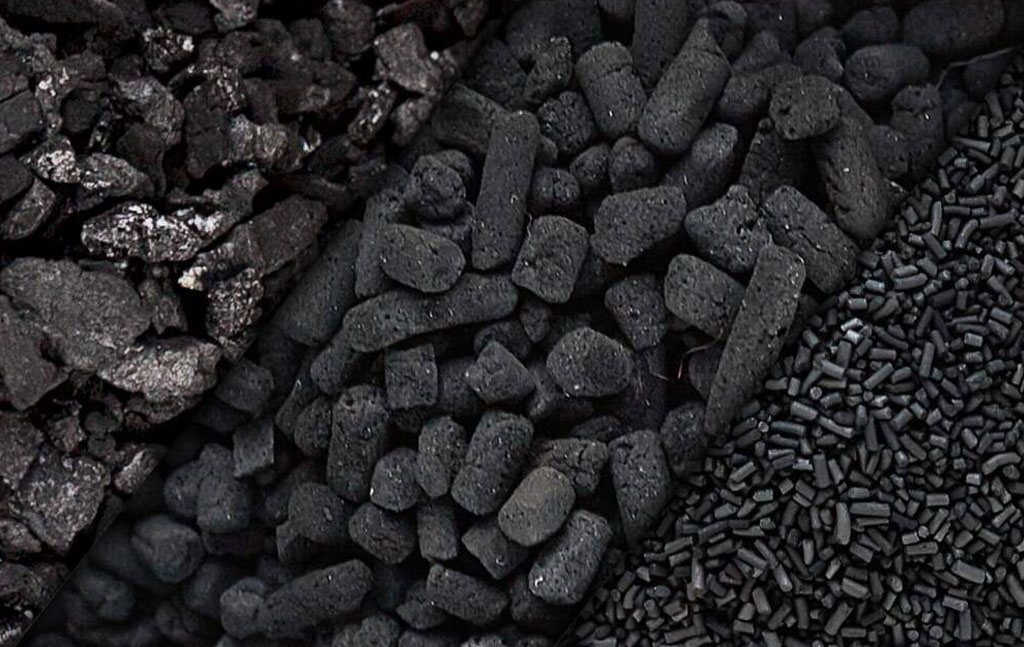
Carbon material is a unique material due to its significant internal area, hollow and porous structure, high adsorption capacity, surface reactivation capability, and low price compared to inorganic adsorbents such as zeolite.
Many liquid and gas materials contain amounts of unwanted substances and impurities. In some cases, these impurities include microbes, bacteria, toxic substances, and other contaminants that, despite being in very small percentages, actually create undesirable conditions, such as changing the taste, odor, color, and other properties. To achieve the desired conditions in these types of liquids and gases, the impurities must be removed. One of the best methods for removing impurities is to remove them by surface adsorption. In many cases, it is even the only effective method. Activated carbon is a strong adsorbent with excellent surface adsorption and does not dissolve in any known solvent. Its most prominent feature is the selective removal of pollutants and in some cases it is also used for material recycling. The adsorption rate of activated carbon depends on the size of the carbon pore structure and the pore size distribution as well as the size and shape of the pollutant molecules.
Impurities
The figure opposite shows the adsorption phenomenon and the internal structure of activated carbon.
Activated carbon has important and vital applications as an adsorbent. After pyrolysis of plant cellulosic materials, it is subjected to activation with steam and obtained.
Internal structure of activated carbon
The main applications of activated carbon in water industries are to remove unwanted color, odor, and taste from water in wastewater treatment plants and in gas refineries for gas sweetening and in petrochemicals and oil refineries, in the purification of medicines and
edible and industrial oils, sugar industries, defense industries, and in air and gas purification. Recycling of solvents and chemicals is also one of the main applications of activated carbon.
Due to the variety of consumption and variety of raw materials, many types of activated carbon with specific specifications are produced, each of which is made for specific uses.
The phenomenon of adsorption on the internal surfaces of activated carbon pores is due to the unbalanced energy that exists between the surface atoms and the internal atoms of the surfaces of the pores. This energy is created with the help of van der Waals molecular attraction due to the broken C-C bond, and the internal surface of the pores absorbs impurity molecules to balance the energy.